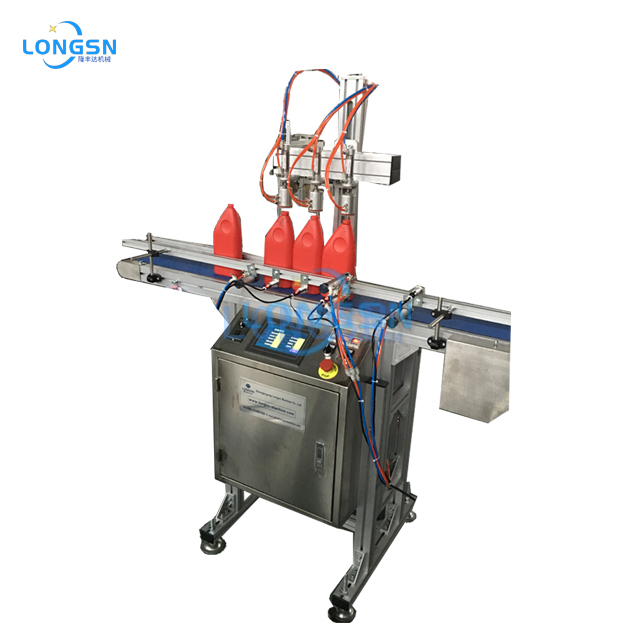
Why Leak Testing is Crucial in the Bottling Industry
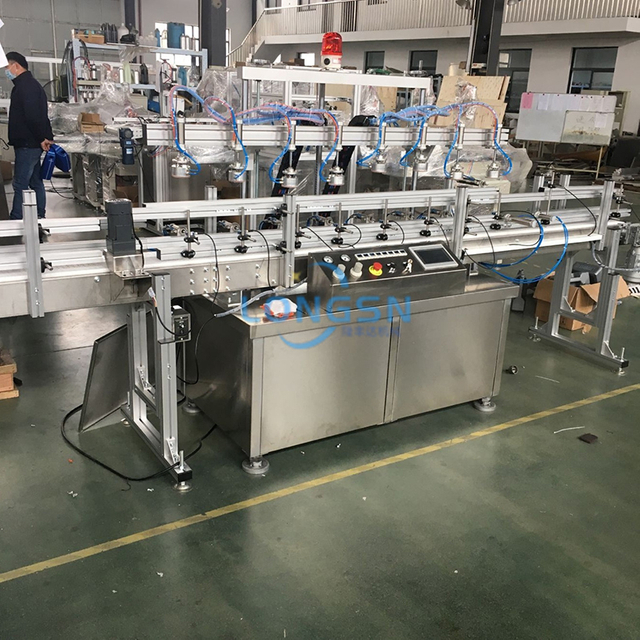
In the modern bottling industry, ensuring that every bottle is free from defects is essential. Leaking bottles can compromise product quality, lead to contamination, or result in packaging failure. To prevent these issues, manufacturers use Empty Bottle Leak Testers — advanced machines designed to detect even the smallest leaks in empty bottles before they are filled with products.
This buyer's guide aims to walk you through the critical features of automatic leak testing machines, explaining why they are an indispensable part of the bottling, beverage, and chemical industries. Whether you're in the bottled water business or the beverage industry, selecting the right Empty Bottle Leak Tester can significantly improve production efficiency, quality, and cost-effectiveness.
Understanding Empty Bottle Leak Testers
What is an Empty Bottle Leak Tester?
An Empty Bottle Leak Tester is an automated machine that tests bottles for any leaks or defects before they are filled with liquids or chemicals. These machines pressurize or create a vacuum inside the bottle to detect leaks, cracks, or other issues that could affect the integrity of the container. By identifying faulty bottles early in the production process, these machines ensure that only perfect bottles make it to the filling and sealing stages.
The importance of these machines lies in their ability to prevent contamination, reduce waste, and minimize the risk of product recalls by ensuring that no defective bottles enter the filling process.
How Do Empty Bottle Leak Testers Work?
Empty Bottle Leak Testers use advanced testing methods such as pressure decay, vacuum decay, or flow meters to detect leaks in bottles. Here's a brief explanation of each method:
Pressure Decay: The tester applies air pressure to the bottle and measures any drop in pressure, which indicates a leak.
Vacuum Decay: A vacuum is applied inside the bottle, and the tester detects any change in pressure, indicating a leak.
Flow Meter: This method uses air flow to check if the bottle leaks during the testing process. If air flows through the bottle, it's flagged as defective.
Testing Method | Description |
Pressure Decay | Measures the drop in air pressure inside the bottle to detect leaks. |
Vacuum Decay | Creates a vacuum inside the bottle and measures pressure changes. |
Flow Meter | Measures air flow through the bottle to detect leaks. |
Key Features to Consider When Buying an Automatic Empty Bottle Leak Tester
Testing Speed and Capacity
Production Line Speed
One of the most critical factors to consider when purchasing an Empty Bottle Leak Tester is the speed at which the machine can test bottles. Depending on the volume of production, the speed of the machine should be able to keep up with the demands of your production line. Some models can test up to 1,000 bottles per hour or more, which is ideal for high-volume production environments.
Bottle Size Compatibility
Not all Empty Bottle Leak Testers are created equal — it’s important to ensure the machine can accommodate the specific size and shape of bottles used in your production line. Many machines are designed to handle standard sizes like 3-5 gallon bottles and are customizable to handle a variety of bottle shapes (e.g., PET, HDPE, glass).
Feature | Benefit |
Speed | Up to 1,000 bottles per hour, depending on machine configuration. |
Size Compatibility | Handles a variety of bottle sizes, including 3-5 gallon bottles. |
Customizable Settings | Adjust settings for different bottle shapes and sizes. |
Precision and Accuracy
Leak Detection Sensitivity
The accuracy of an Empty Bottle Leak Tester is paramount. The machine needs to be capable of detecting even the smallest leaks, such as those as tiny as 0.001 mm. High-precision testing ensures that no defective bottles enter the filling line, which is crucial in industries where product integrity is of the utmost importance, such as bottled water or pharmaceutical production.
Detection Range
Consider the sensitivity and detection range of the tester. Some models allow for highly sensitive detection of microleaks, which can be particularly important when working with high-precision products like beverages or pharmaceuticals.
Feature | Benefit |
Leak Sensitivity | Detects leaks as small as 0.001 mm, ensuring high precision. |
Wide Detection Range | Suitable for a range of bottle sizes and materials. |
User-Friendly Control System
PLC and Touchscreen Interface
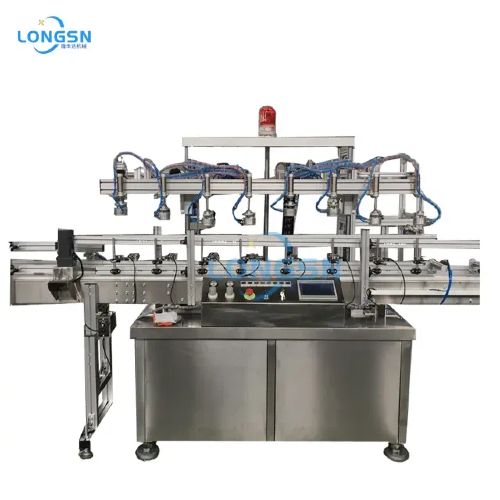
When selecting an Empty Bottle Leak Tester, look for a system that is easy to operate. Machines equipped with PLC (Programmable Logic Controller) systems and touchscreen interfaces offer simplicity and efficiency. The user interface allows operators to monitor real-time data, adjust settings, and perform troubleshooting, all from one central control panel.
Data Logging and Reporting
Many modern leak testers come equipped with data logging and reporting features. These systems automatically record test results, which can be accessed for analysis or for quality assurance purposes. This data helps in tracing issues back to specific batches and ensuring consistent product quality.
Feature | Benefit |
PLC Control | Ensures easy operation and quick adjustments to testing parameters. |
Touchscreen Interface | Provides a user-friendly experience for operators. |
Data Logging | Tracks and stores test results for traceability and analysis. |
Automated Sorting and Defect Removal
One of the major advantages of Empty Bottle Leak Testers is their automated defect detection and removal system. These machines can automatically identify defective bottles and remove them from the production line, reducing human error and improving the efficiency of the production process. This automation minimizes downtime and helps maintain high production standards.
Benefits of Using Automatic Empty Bottle Leak Testers
Enhanced Quality Control
The Empty Bottle Leak Tester ensures that every bottle passing through the production line meets the required quality standards. By identifying defective bottles early, it reduces the risk of filling and sealing defective containers, which can lead to contamination, waste, and customer dissatisfaction.
Preventing Product Recalls
Leak testing is a critical step in quality assurance. By ensuring bottles are leak-free before they are filled, manufacturers can significantly reduce the likelihood of product recalls due to packaging defects. A robust leak detection system is an effective way to ensure product integrity and brand reputation.
Increased Efficiency and Reduced Costs
By automating the leak detection process, an Empty Bottle Leak Tester improves production efficiency. The machine reduces the need for manual inspections, which can slow down the production line and increase labor costs. Faster testing and automated defect removal lead to higher throughput and less downtime.
Cost Savings
Automating leak testing reduces operational costs in several ways, including reducing the need for manual labor, eliminating wasted bottles, and preventing rework or product recalls. Over time, this results in a high return on investment (ROI).
How to Choose the Right Automatic Empty Bottle Leak Tester for Your Production Line
Assessing Your Production Line Requirements
Production Volume
The first step in selecting the right Empty Bottle Leak Tester is determining your production volume. If your line produces thousands of bottles per hour, you need a high-speed tester capable of matching that pace.
Bottle Types and Sizes
Consider the types and sizes of bottles used in your production line. For example, if you’re producing 3-5 gallon bottles, you need a machine that is specifically designed for larger containers. Additionally, if you work with different materials (PET, HDPE, glass), ensure the tester is compatible with these materials.
Evaluating Features and Customization Options
Some Empty Bottle Leak Testers come with customizable features to meet specific production line needs. Look for machines that allow adjustments to:
Testing speed: Adjust the speed according to production demands.
Pressure/vacuum settings: Customize for different bottle sizes and materials.
Sensitivity: Fine-tune the tester to detect different levels of leaks.
Considering Budget and ROI
While it’s tempting to go for the most affordable model, consider the long-term cost savings provided by more efficient, accurate machines. A higher upfront cost can often lead to significant savings over time due to improved throughput, reduced waste, and minimized downtime.
Conclusion
Selecting the right Empty Bottle Leak Tester for your production line is essential to ensure that only high-quality, defect-free products reach consumers. Factors such as production volume, bottle types, accuracy, and automation capabilities are key when choosing the right machine for your needs. By carefully considering these aspects, you can invest in a leak testing machine that perfectly aligns with your production requirements.
A reliable Empty Bottle Leak Tester not only guarantees superior product quality but also enhances overall production efficiency. By automating the leak detection process, it helps reduce costs associated with waste, rework, and manual inspections. Additionally, this machine significantly minimizes the risk of defective products reaching the market, protecting your brand reputation and consumer trust.
For businesses looking to integrate cutting-edge leak detection technology, Zhangjiagang Longsn Machine Co., Ltd. offers innovative and reliable solutions tailored to various production needs. With their extensive experience in providing high-performance testing machines, Longsn can guide you in selecting the ideal Empty Bottle Leak Tester for your production line, ensuring consistent quality and optimized operational efficiency. Reach out to Longsn today to discover how their products can streamline your production process.
FAQ
1. What is an Empty Bottle Leak Tester?
An Empty Bottle Leak Tester is a machine that automatically detects leaks or defects in bottles before they are filled with products. It helps ensure that only high-quality bottles make it to the filling process.
2. How do Empty Bottle Leak Testers work?
The tester applies air pressure or creates a vacuum inside the bottle, then monitors for any changes that indicate a leak. If a defect is found, the bottle is removed from the production line.
3. Can Empty Bottle Leak Testers handle different bottle sizes?
Yes, many models are customizable to test different bottle sizes, including standard bottles as well as large containers like 3-5 gallon bottles.
4. How fast can an Empty Bottle Leak Tester process bottles?
Depending on the machine configuration, Empty Bottle Leak Testers can process hundreds to thousands of bottles per hour, making them suitable for high-speed production lines.
5. How does an Empty Bottle Leak Tester improve efficiency?
By automating the leak detection process, the tester reduces the need for manual inspection, speeds up the production line, and prevents defective bottles from entering the filling process, all of which improve overall efficiency.
6. What are the main benefits of an Empty Bottle Leak Tester?
The key benefits include enhanced product quality, reduced risk of product recalls, higher production efficiency, and significant cost savings through automated leak detection and defect removal.

 English